
Introduction
For CFOs and business leaders, every investment comes down to one question:
“What return will we actually get?”
When it comes to CRM platforms, especially Salesforce Sales Cloud, the stakes are even higher. Licensing costs, implementation, training, and customization all add up. That’s why tools like the salesforce sales cloud roi calculator have become critical.
But here’s the truth:
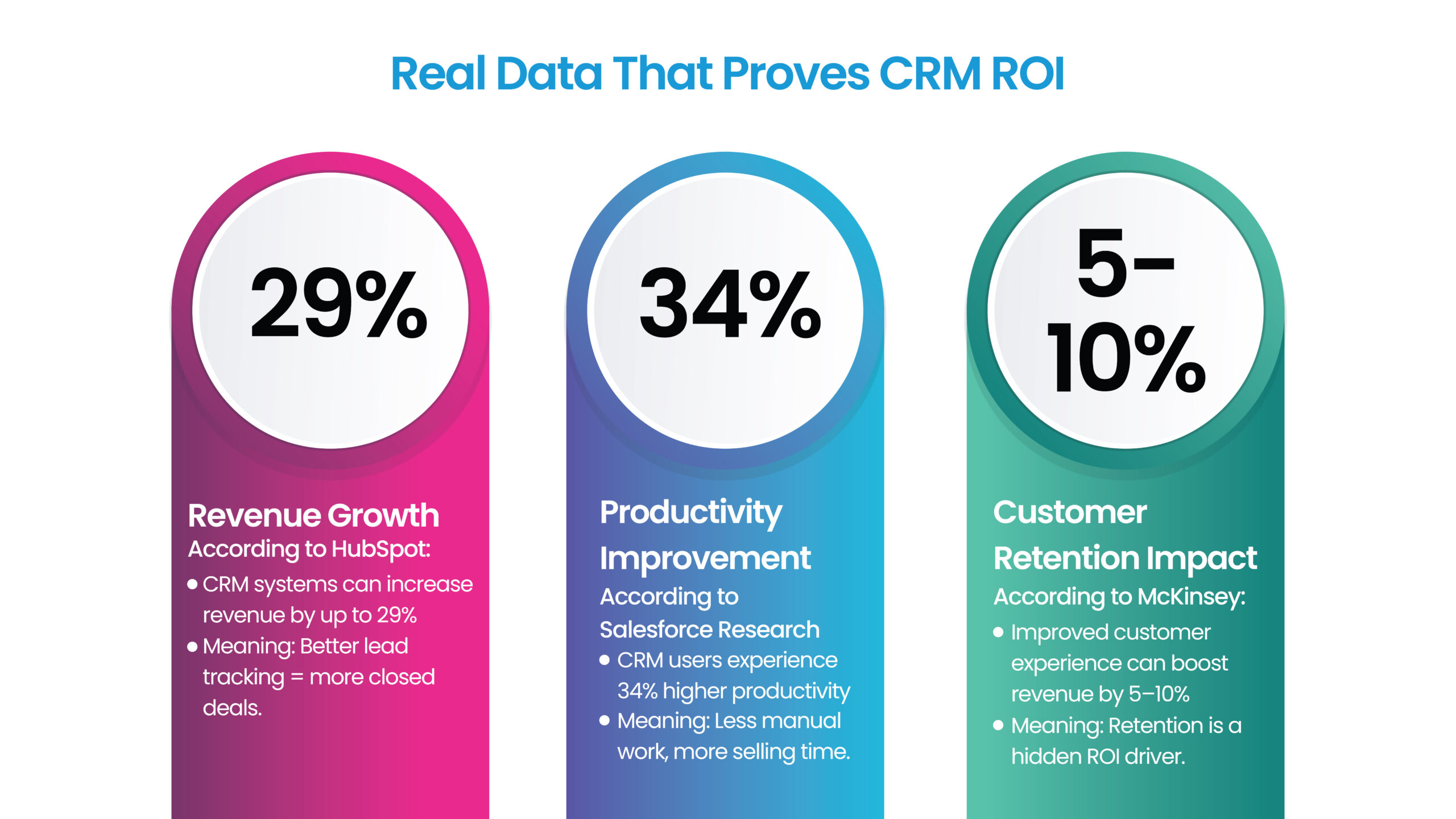
Most businesses don’t just want projections — they want real-world ROI outcomes.
In this deep-dive guide, we’ll break down:
- How CRM ROI calculators work
- What actual ROI looks like in India vs the US
- Financial insights CFOs should track
- Proven strategies to maximize returns
This is not theory. This is practical, data-backed insight.
What is a Salesforce Sales Cloud ROI Calculator?
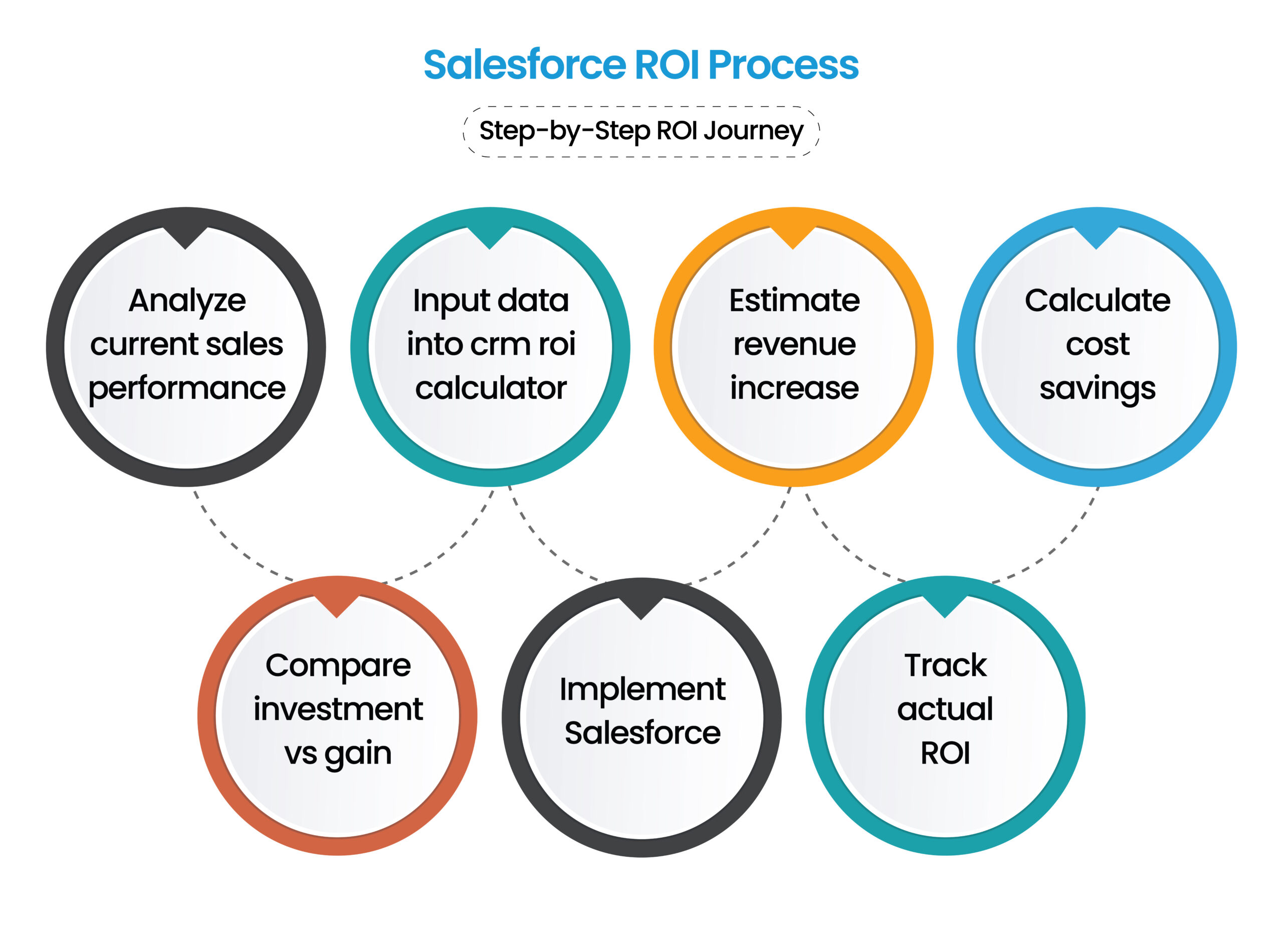
A salesforce roi calculator is a structured tool used to estimate the financial impact of implementing Salesforce Sales Cloud.
It answers key financial questions:
- How much revenue can increase?
- How much cost can be reduced?
- How fast can ROI be achieved?
How It Works (Finance Perspective)
For CFOs, this is not just a tool — it’s a decision model.
Inputs Typically Include:
- Number of sales reps
- Average deal size
- Sales cycle duration
- Conversion rates
- Cost per lead
Outputs Include:
- Revenue uplift
- Cost savings
- Productivity gains
- ROI percentage
ROI Formula Simplified
ROI=Net GainInvestment Cost×100ROI = \frac{Net\ Gain}{Investment\ Cost} \times 100
ROI calculation follows a simple financial model.
Why CRM ROI Matters for CFOs
1. Budget Justification
CRM is not a small investment. CFOs need clear justification before approving budgets.
2. Risk Reduction
A crm roi calculator helps predict financial outcomes before implementation.
3. Strategic Planning
ROI insights guide:
- Hiring decisions
- Sales strategy
- Expansion planning
What Indian Businesses Actually Get
1. Cost Optimization
Indian companies prioritize efficiency.
Example:
- Reduced manual processes by 40%
- Saved operational costs
2. Faster Sales Cycles
Salesforce reduces follow-up delays.
Result:
- 20–30% faster deal closure
3. Improved Conversion Rates
Mini Case:
Conversion improved from 15% → 25%
Revenue increased significantly within 6 months.
4. Lean Team Efficiency
Instead of hiring more staff:
Automation handles repetitive tasks.
What US Businesses Actually Get
Key ROI Drivers in the US
1. Data-Driven Decisions
US companies rely heavily on analytics dashboards.
2. Scalability
Salesforce supports rapid growth.
Example:
Scaling from 20 → 200 reps without performance drop.
3. Advanced Automation
- AI-driven recommendations
- Predictive sales forecasting
4. Customer Experience ROI
Focus on long-term value:
- Increased retention
- Higher lifetime value
Mini Case Studies (Finance + E-Commerce)
Case 1: Indian E-Commerce Brand
Problem: Poor lead tracking
Solution: Salesforce implementation
Results:
- 35% increase in conversions
- 25% reduction in marketing cost
- ROI achieved in 7 months
Case 2: US Finance Company
Problem: Long sales cycle
Results:
- Sales cycle reduced by 30%
- Revenue increased by 20%
- ROI achieved within 6 months
Key Factors That Impact Salesforce ROI
1. Implementation Quality
Bad setup = low ROI
2. User Adoption
If sales teams don’t use CRM:
ROI drops drastically.
3. Data Accuracy
Accurate data = better decisions.
4. Automation Level
Higher automation = higher ROI.
Actionable Tips for CFOs
1. Define ROI Metrics Before Implementation
Track:
- Revenue growth
- Conversion rate
- Cost per acquisition
2. Focus on High-Impact Automation
Start with:
- Lead assignment
- Email automation
3. Invest in Training
Well-trained teams = better ROI.
4. Monitor ROI Monthly
Use dashboards to track performance.
5. Avoid Over-Customization
Keep systems simple and scalable.
Common Mistakes to Avoid
1. Ignoring ROI Tracking
Many companies implement CRM but don’t measure ROI.
2. Poor Data Management
Incorrect data leads to wrong decisions.
3. Overestimating Benefits
Always use realistic assumptions.
At NSIQ INFOTECH, we focus on ROI-first Salesforce implementation.
We help businesses:
- Calculate realistic ROI before implementation
- Optimize CRM workflows
- Improve adoption and performance
- Deliver measurable financial outcomes
Our Goal is Simple:
Turn Salesforce investment into real profit.
External References
- HubSpot CRM Statistics
- McKinsey & Company Customer Experience Insights
1. What is a salesforce sales cloud roi calculator?
It estimates financial returns from Salesforce investment.
2. How accurate is crm roi calculation?
It provides estimates based on real business inputs.
3. What is a good CRM ROI percentage?
Typically 25%–200% depending on usage.
4. How long to achieve Salesforce ROI?
Usually 6–12 months.
5. Does Salesforce increase revenue?
Yes, through better lead management and automation.
6. Is Salesforce suitable for e-commerce?
Yes, especially for customer tracking and sales automation.
7. What factors impact salesforce roi?
Adoption, implementation quality, and data accuracy.
8. Can small businesses use ROI calculators?
Yes, they are highly useful for budgeting.
9. Does automation improve CRM ROI?
Yes, significantly.
10. How can CFOs track CRM ROI?
Using dashboards and KPIs.
11. What industries benefit most from Salesforce?
Finance, e-commerce, SaaS.
12. Is Salesforce expensive?
It depends on usage and customization.
13. What is sales cloud ROI?
Return generated specifically from Sales Cloud features.
14. Can ROI be negative?
Yes, if poorly implemented.
15. Should companies hire Salesforce experts?
Yes, to maximize ROI and avoid mistakes.
Conclusion
The salesforce sales cloud roi calculator is more than just a tool — it’s a financial decision framework.
For CFOs and decision-makers:
- It reduces risk
- Improves planning
- Ensures measurable returns
Key Takeaway
Salesforce ROI depends not on the tool itself, but on how strategically it is implemented and used.