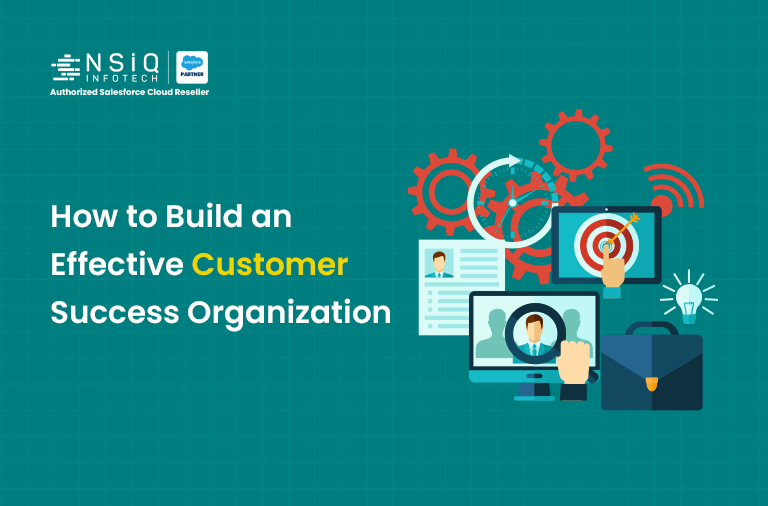
How to Build an Effective Customer Success Organization

Building an effective customer success organization is essential for companies that want long-term growth, strong customer relationships, and predictable revenue. Customer success is no longer just a support function; it is a strategic discipline focused on ensuring customers achieve real value from a product or service. A successful customer success organization is built deliberately, step by step, with alignment across people, processes, and technology.
1: Define What Customer Success Means for Your Business
The first step in building a customer success organization is to clearly define what customer success means in the context of your business. Customer success should be outcome-driven, focusing on the results customers want to achieve rather than just product usage or issue resolution. This definition must align customer goals with business objectives such as retention, expansion, and advocacy. When customer success is clearly defined, teams can make consistent decisions and prioritize actions that drive long-term value for both the customer and the company.
2: Secure Executive Alignment and Sponsorship
Customer success cannot thrive without strong executive support. Leadership must recognize customer success as a core business function and not just a reactive support layer. Executives should actively sponsor customer success initiatives, align incentives across departments, and reinforce the importance of customer outcomes in company-wide decision-making. When leadership is aligned, customer success gains the authority to collaborate effectively with sales, product, marketing, and support teams.
3: Design the Right Organizational Structure
The structure of the customer success organization should be designed based on the company’s size, customer base, and complexity of the product. In early stages, customer success managers may handle onboarding, adoption, and renewals for all customers. As the organization grows, roles should become more specialized, with dedicated teams for onboarding, technical enablement, renewals, and expansion. Segmenting customers by size or value ensures that resources are allocated efficiently while maintaining a consistent experience.
4: Hire and Develop the Right Talent
Hiring the right people is one of the most critical steps in building a strong customer success organization. Customer success professionals must combine strong communication skills, empathy, business understanding, and problem-solving ability. They need to build trust, manage expectations, and guide customers toward measurable outcomes. Ongoing training and development are equally important, ensuring team members stay aligned with product updates, industry trends, and best practices.
5: Build a Structured and Scalable Onboarding Process
Onboarding is the foundation of the customer journey and often determines long-term success. A structured onboarding process should help customers quickly understand the product, configure it correctly, and achieve early wins. Clear milestones, timelines, and success criteria ensure consistency across customers while allowing flexibility for different needs. Effective onboarding reduces time to value and sets a positive tone for the entire relationship.
6: Establish Ongoing Customer Engagement and Success Plans
After onboarding, customer success must shift to ongoing engagement and value delivery. This includes regular check-ins, success planning, adoption reviews, and proactive outreach. Customer success managers should work with customers to define success plans that outline goals, metrics, and timelines. These plans help maintain focus, demonstrate progress, and adapt as customer needs evolve over time.
7: Implement the Right Tools and Technology
Technology enables customer success teams to operate efficiently and at scale. Customer relationship management systems, customer success platforms, and analytics tools provide visibility into customer health, usage patterns, and risk indicators. Automation can support routine tasks such as reminders, reporting, and alerts, allowing customer success managers to focus on strategic conversations. Integrating real-time communication channels like Salesforce WhatsApp integration integration further strengthens customer engagement by enabling instant, personalized interactions directly within Salesforce, helping teams respond faster and build stronger relationships. The key is to use technology to enhance human interaction, not replace it.
8: Measure What Matters and Act on Insights
An effective customer success organization relies on meaningful metrics to guide decisions and improvement. Business-focused metrics such as retention, churn, and expansion revenue should be balanced with customer-focused indicators like adoption, satisfaction, and time to value. These metrics should be reviewed regularly and shared across teams to create accountability and alignment. Insights gained from data should lead to action, whether improving processes, adjusting engagement strategies, or influencing product development.
9: Strengthen Cross-Functional Collaboration
Customer success does not operate in isolation. Strong collaboration with sales, product, support, and marketing teams is essential to delivering a seamless customer experience. Customer success teams provide valuable insights into customer needs, challenges, and opportunities, helping other teams make better decisions. Regular communication and shared goals ensure that all departments work together to support customer outcomes.
10: Build and Sustain a Customer-Centric Culture
The final step is to embed customer success into the company culture. This means encouraging long-term thinking, rewarding behaviours that create real customer value, and learning continuously from customer feedback. A customer-centric culture ensures that customer success is not just the responsibility of one team, but a shared mindset across the organization. When this culture is strong, customer success becomes a sustainable competitive advantage.

A Senior Business Development Executive drives business growth by identifying new opportunities, building strong client relationships, and developing strategic plans to expand market presence and revenue.
related blog