Skills-Based Hiring & AI-Driven Recruitment: The Future of Talent Acquisition

Introduction
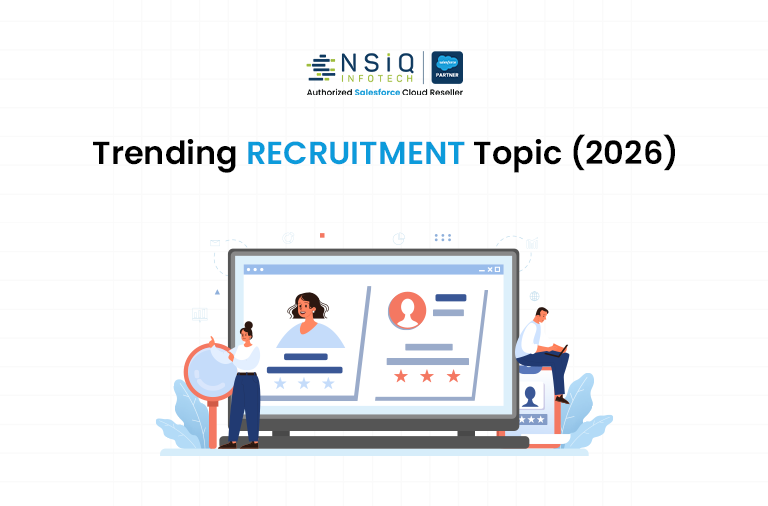
Recruitment is changing faster than ever. Traditional hiring methods that focus only on degrees, job titles, and years of experience are no longer enough. Today’s job market demands skills, adaptability, and speed. With the rise of Artificial Intelligence (AI) and skills-based hiring, recruiters are redefining how they attract, assess, and hire talent. This blog explains why this trend is dominating the recruitment market and how companies can adapt.
1. What is Skills-Based Hiring?
Skills-based hiring focuses on what a candidate can do, rather than where they studied or how many years they worked.
Key points:
- Emphasis on practical skills and competencies
- Focus on real-world problem-solving ability
- Reduces dependency on degrees and certifications
- Opens opportunities for non-traditional candidates
This approach helps recruiters find job-ready talent instead of just qualified resumes.
2. Why Skills-Based Hiring is Trending
The job market is facing a major skill gap. Many roles remain unfilled because candidates don’t have the required skills.
Reasons for the trend:
- Rapid technological changes
- New roles emerging faster than formal education
- Demand for niche and specialized skills
- Increased remote and global hiring
Companies now prefer performance over pedigree.
3. Role of AI in Modern Recruitment
AI is transforming recruitment by making it faster, smarter, and more data-driven.
AI helps recruiters by:
- Screening resumes automatically
- Matching candidates based on skills
- Reducing hiring time and cost
- Improving candidate experience
AI tools analyze thousands of profiles within seconds, something humans can’t do efficiently.
4. AI + Skills-Based Hiring = Powerful Combination
When AI is combined with skills-based hiring, recruitment becomes more accurate and unbiased.
Benefits of this combination:
- Objective skill evaluation
- Reduced human bias
- Better quality of hires
- Faster decision-making
AI focuses on data and skill match, not personal assumptions.
5. Use of Skill Assessments and Tests
Recruiters are now using online assessments instead of only interviews.
Popular assessment methods:
- Coding tests
- Case studies
- Situational judgment tests
- Role-based assignments
These tests show actual capability, not just interview performance.
6. Impact on Diversity and Inclusion
Skills-based hiring supports diversity hiring.
How it helps:
- Removes bias related to college, location, or background
- Encourages hiring from diverse talent pools
- Promotes equal opportunity
Organizations build stronger and more inclusive teams.
7. Shift from CVs to Skill Profiles
Traditional CVs are slowly being replaced by skill profiles.
New recruitment focus includes:
- Skill tags
- Project experience
- Practical achievements
- Continuous learning
Recruiters look for proof of work, not just job titles.
8. Challenges in Skills-Based & AI Hiring
Despite its advantages, this approach has challenges.
Common challenges:
- Identifying the right skills for each role
- Training recruiters to use AI tools
- Over-reliance on automation
- Need for accurate data
Human judgment is still important to balance AI decisions.
9. How Recruiters Can Adapt
Recruiters must upgrade their strategies and mindset.
Action steps:
- Learn AI recruitment tools
- Redefine job descriptions based on skills
- Use structured interviews
- Partner with skill assessment platforms
Continuous learning is key for recruiters.
10. Future of Recruitment
The future belongs to smart, skill-focused, and tech-driven recruitment.
What to expect:
- More predictive hiring models
- Personalized candidate journeys
- Continuous skill evaluation
- Strong collaboration between humans and AI
Recruitment will become more strategic than operational.
Conclusion
Skills-based hiring powered by AI is not just a trend – It is the future of recruitment. Companies that adapt early will gain a competitive advantage by hiring better talent, faster and smarter. Recruiters who embrace this change will stay relevant in an evolving job market. The focus is clear: hire for skills, support with technology, and lead with human judgment.

related blog