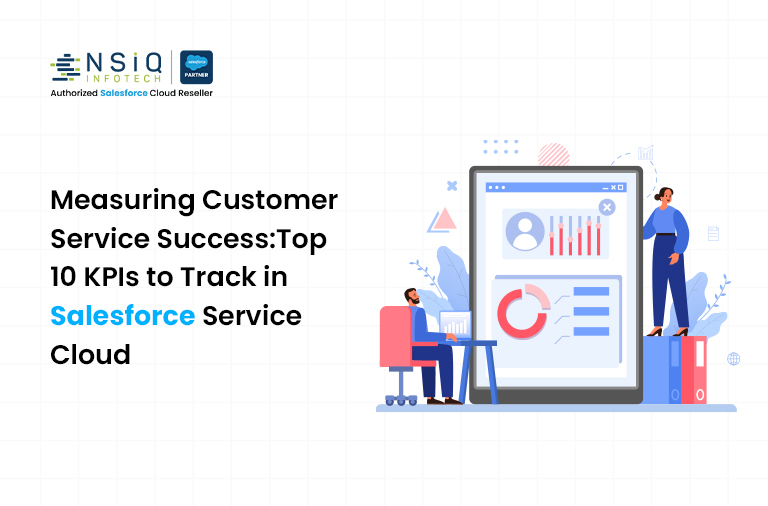
Measuring Customer Service Success: Top 10 KPIs to Track in Salesforce Service Cloud

Customer expectations are at an all-time high.
Today’s customers don’t just want their issues resolved — they expect fast responses, personalized communication, and a seamless experience across channels. Whether it’s email, chat, phone, or social media, every interaction matters.
But here’s the real challenge for businesses:
How do you measure whether your customer service is actually successful?
This is where customer service metrics and KPIs (Key Performance Indicators) come into play.
For Customer Service Managers and Business Analysts, especially those using Salesforce Service Cloud, tracking the right KPIs is essential to:
- Understand team performance
- Improve customer satisfaction
- Optimize processes
- Make data-driven decisions
In this comprehensive guide, we’ll break down everything you need to know about customer service KPIs, how to track them in Salesforce, and how to use them to drive real business results.
What Does Customer Service Success Really Mean?
Customer service success is often misunderstood. Many teams focus only on closing tickets quickly — but speed alone does not define success.
True customer service success includes:
- Speed – Quick responses and resolutions
- Quality – Accurate and helpful solutions
- Consistency – Same experience across all channels
- Customer Satisfaction – Positive feedback and ratings
- Customer Loyalty – Repeat business and referrals
According to HubSpot, 93% of customers are more likely to make repeat purchases with companies that offer excellent customer service.
Why This Matters
Customer service is no longer just a support function — it directly impacts:
- Revenue growth
- Brand reputation
- Customer retention
A single poor experience can lead to churn, while a great experience can create long-term loyalty.
Why Tracking Customer Service Metrics is Critical
Without tracking metrics, businesses operate on assumptions instead of facts.
Tracking customer support performance metrics helps you:
- Identify bottlenecks in your support process
- Measure team efficiency
- Improve customer experience
- Allocate resources effectively
- Make informed business decisions
McKinsey reports that companies using customer analytics effectively can improve customer satisfaction by up to 20%.
Real Insight
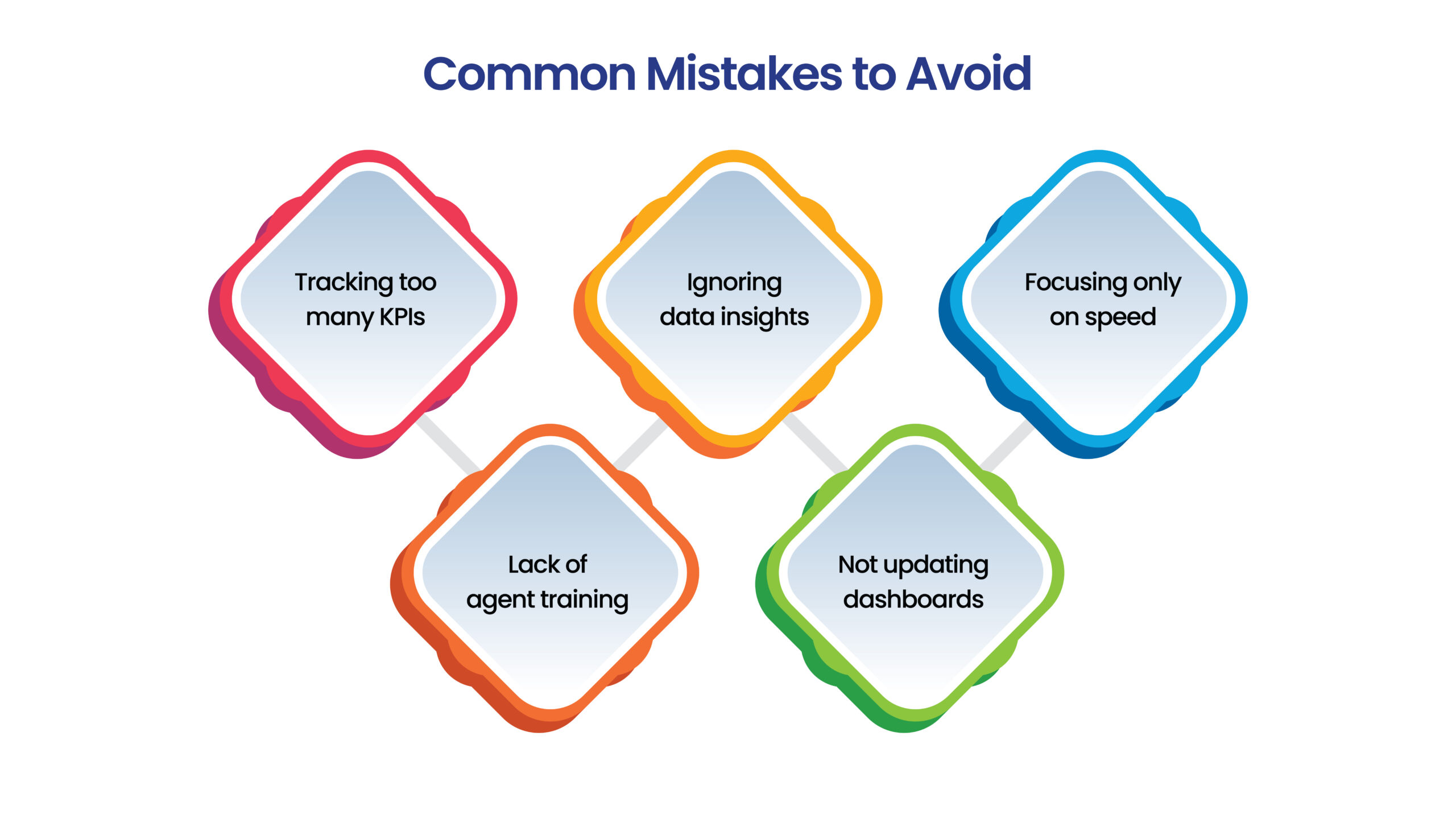
Many organizations collect data but fail to act on it. The real value lies not in tracking metrics — but in using them to drive improvement.
Salesforce Service Cloud: The Backbone of KPI Tracking
Salesforce Service Cloud is designed to help businesses manage and optimize customer service operations.
Key Features
- Case Management
Track every customer interaction from start to resolution - Custom Reports & Dashboards
Visualize KPIs in real time - Automation Tools
Reduce manual work using workflows and flows - Omnichannel Support
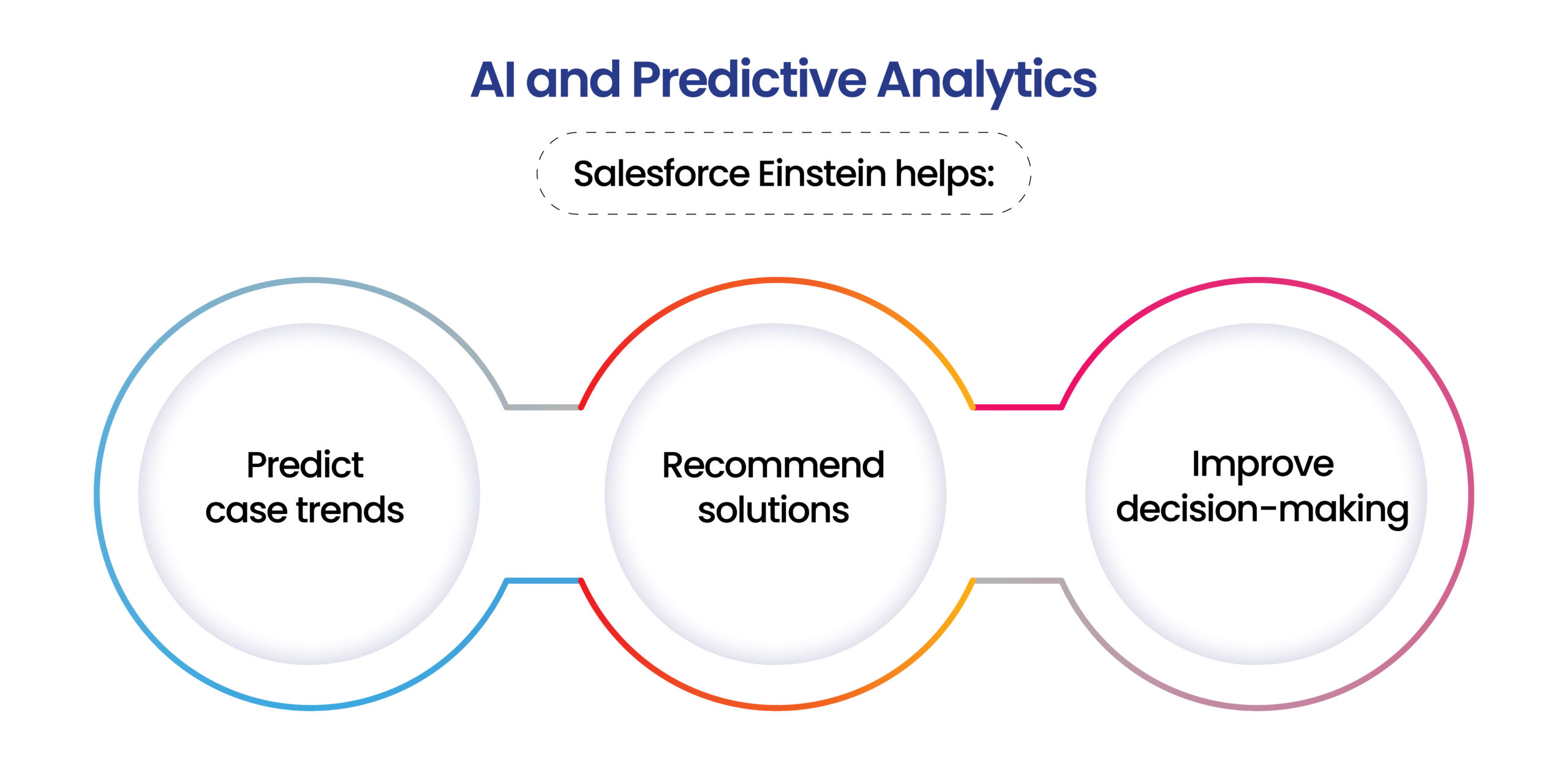
Manage customer queries across multiple channels - AI with Einstein Analytics
Predict trends and improve decision-making
How to Measure Customer Service Success in Salesforce
Before diving into KPIs, it’s important to understand the process of measuring success.
Step-by-Step Process
- Define your business goals
- Identify relevant KPIs
- Configure Salesforce reports and dashboards
- Collect and analyze data
- Identify gaps and inefficiencies
- Implement improvements
- Continuously monitor performance
Pro Tip: Start with 4–5 key KPIs instead of tracking everything.
Top 10 Customer Service KPIs to Track in Salesforce Service Cloud
Let’s explore the most important customer service success metrics in detail.
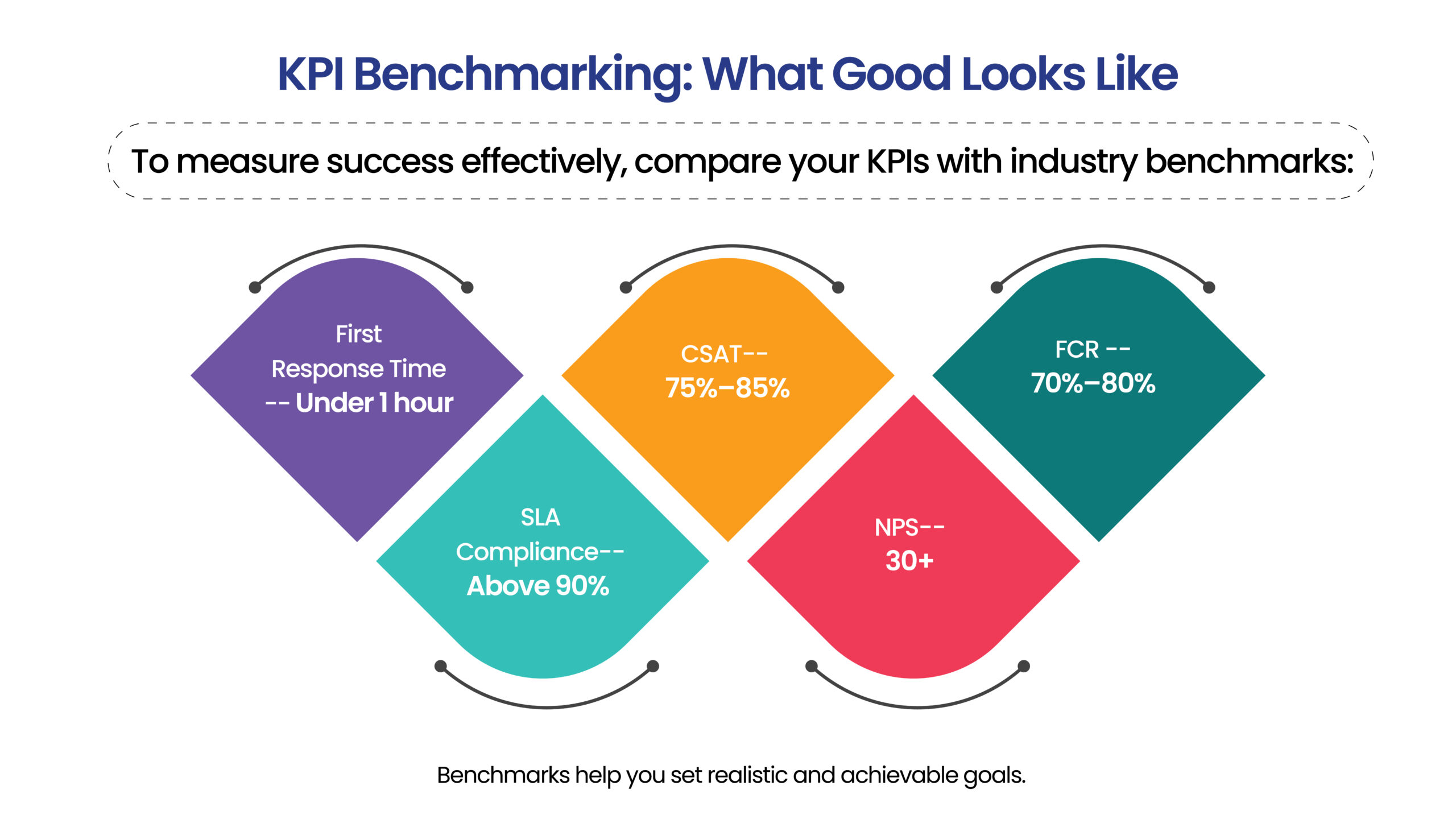
1. First Response Time (FRT)
Definition:
Time taken to respond to a customer’s first query.
Why It Matters:
Customers expect immediate acknowledgment. A delay can create frustration and reduce trust.
Example:
A telecom company reduced FRT from 5 hours to 45 minutes and saw:
- 20% increase in customer satisfaction
- 15% decrease in escalations
Actionable Tips:
- Use automatic case assignment
- Implement chatbots for instant responses
- Set SLA alerts in Salesforce
2. Average Resolution Time
Definition:
Total time taken to resolve an issue.
Why It Matters:
Faster resolution improves customer experience and reduces workload.
Mini Case Study:
An e-commerce company reduced resolution time by 35% by implementing:
- Case prioritization
- Knowledge base
- Workflow automation
Actionable Tips:
- Categorize cases by complexity
- Use predefined responses
- Automate repetitive tasks
3. Customer Satisfaction Score (CSAT)
Definition:
Measures customer satisfaction after interaction.
Formula:
(Satisfied Customers / Total Responses) × 100
According to Statista, companies with high CSAT retain up to 89% of their customers.
Actionable Tips:
- Send surveys immediately after resolution
- Keep surveys short
- Analyze feedback regularly
4. Net Promoter Score (NPS)
Definition:
Measures customer loyalty and willingness to recommend.
Why It Matters:
NPS reflects long-term customer relationships.
Pro Insight:
NPS is influenced by the entire customer journey — not just support.
5. First Contact Resolution (FCR)
Definition:
Percentage of cases resolved in the first interaction.
Why It Matters:
Higher FCR reduces repeat contacts and improves efficiency.
Example:
Improving FCR from 60% to 80% can reduce workload significantly.
Actionable Tips:
- Train agents effectively
- Provide knowledge base access
- Use AI recommendations
6. Case Volume
Definition:
Total number of support requests.
Why It Matters:
Helps forecast demand and manage staffing.
Insight:
Sudden spikes in case volume often indicate product or service issues.
7. Agent Productivity
Definition:
Number of cases handled per agent.
Why It Matters:
Tracks efficiency and performance.
Important Note:
Balance productivity with service quality.
8. SLA Compliance
Definition:
Percentage of cases resolved within agreed timelines.
Why It Matters:
Ensures accountability and customer trust.
9. Customer Effort Score (CES)
Definition:
Measures how easy it is for customers to get support.
Why It Matters:
Lower effort leads to higher loyalty.
10. Escalation Rate
Definition:
Percentage of cases escalated to higher levels.
Why It Matters:
Indicates gaps in training or processes.
Turning Metrics into Action
Tracking metrics is not enough — you need to act on them.
Example
If your CSAT is low:
- Analyze feedback
- Identify recurring issues
- Improve processes
- Train agents
Advanced Strategies to Improve Customer Service Metrics
1. Automation
Use Salesforce automation to:
- Assign cases instantly
- Trigger notifications
- Reduce manual work
3. Self-Service Options
Customers prefer solving issues themselves.
Add:
- Knowledge base
- FAQs
- Chatbots
4. Omnichannel Support
Provide consistent support across:
- Chat
- Phone
- Social media
Real-Life Case Study
A SaaS company implemented Salesforce Service Cloud with KPI tracking.
Challenges
- Slow response times
- Low CSAT
- High escalation rate
Actions Taken
- Automated workflows
- Built dashboards
- Trained agents
- Created knowledge base
Results (Within 3 Months)
- Response time reduced by 50%
- CSAT increased from 72% to 88%
- Escalations reduced by 30%

- What are customer service metrics?
They measure support performance and customer satisfaction. - Why are customer service KPIs important?
They help improve efficiency and customer experience. - What are the top KPIs?
FRT, CSAT, FCR, NPS, resolution time. - How does Salesforce help?
Through dashboards, automation, and analytics. - What is a good CSAT score?
Above 75%. - What is FCR?
Resolution in the first interaction. - What is SLA compliance?
Meeting service timelines. - What is CES?
Ease of customer effort. - How to improve KPIs?
Use automation and training. - How often to review KPIs?
Weekly and monthly. - Can small businesses use KPIs?
Yes. - What tools are used?
Salesforce dashboards.
Conclusion
Measuring customer service success is essential for modern businesses.
By tracking the right customer service metrics, organizations can:
- Improve performance
- Enhance customer satisfaction
- Drive long-term growth
Salesforce Service Cloud provides the tools — but success depends on how effectively you use them.
Ready to Improve Your Customer Service?
👉 Partner with NSIQ INFOTECH
👉 Book a consultation today
👉 Build a data-driven support system
Because great customer service is not accidental — it’s measured, optimized, and continuously improved.

A Project Manager plans, executes, and delivers projects on time and within budget while coordinating teams, managing resources, and ensuring alignment with business objectives.
related blog