How E-Commerce Brands Use Marketing Cloud to Win Back Lost Customers (Real Examples)

Introduction: The Sale That Almost Happened
If you’ve ever worked closely with an e-commerce store, you already know this feeling.
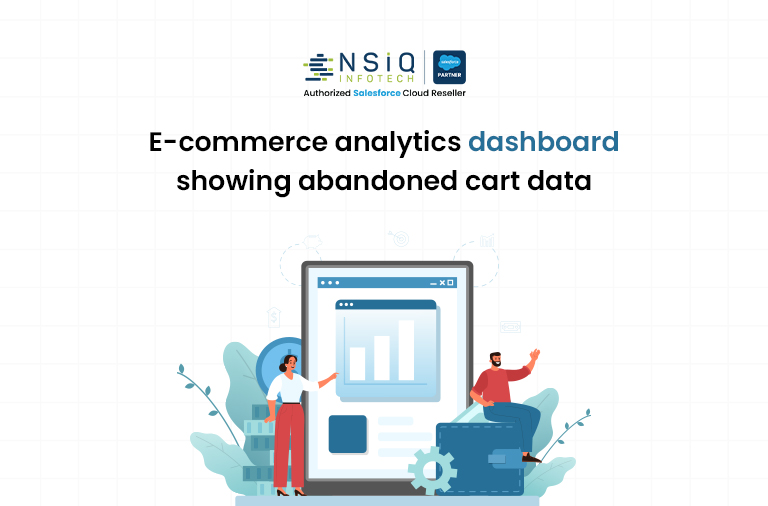
You check your analytics dashboard. Traffic looks good. Campaigns are running. People are coming in.
But conversions?
Not where they should be.
And when you dig deeper, you realize something frustrating — most people didn’t reject your product. They just… didn’t finish.
They left halfway.
This is something every e-commerce marketing manager deals with regularly. And honestly, it used to feel like a dead end.
But things have changed.
With tools like salesforce marketing cloud and smarter marketing cloud automation, brands have stopped accepting this as “normal behavior” and started treating it as an opportunity.
Because the truth is simple:
These customers didn’t say no.
They just didn’t say yes yet.
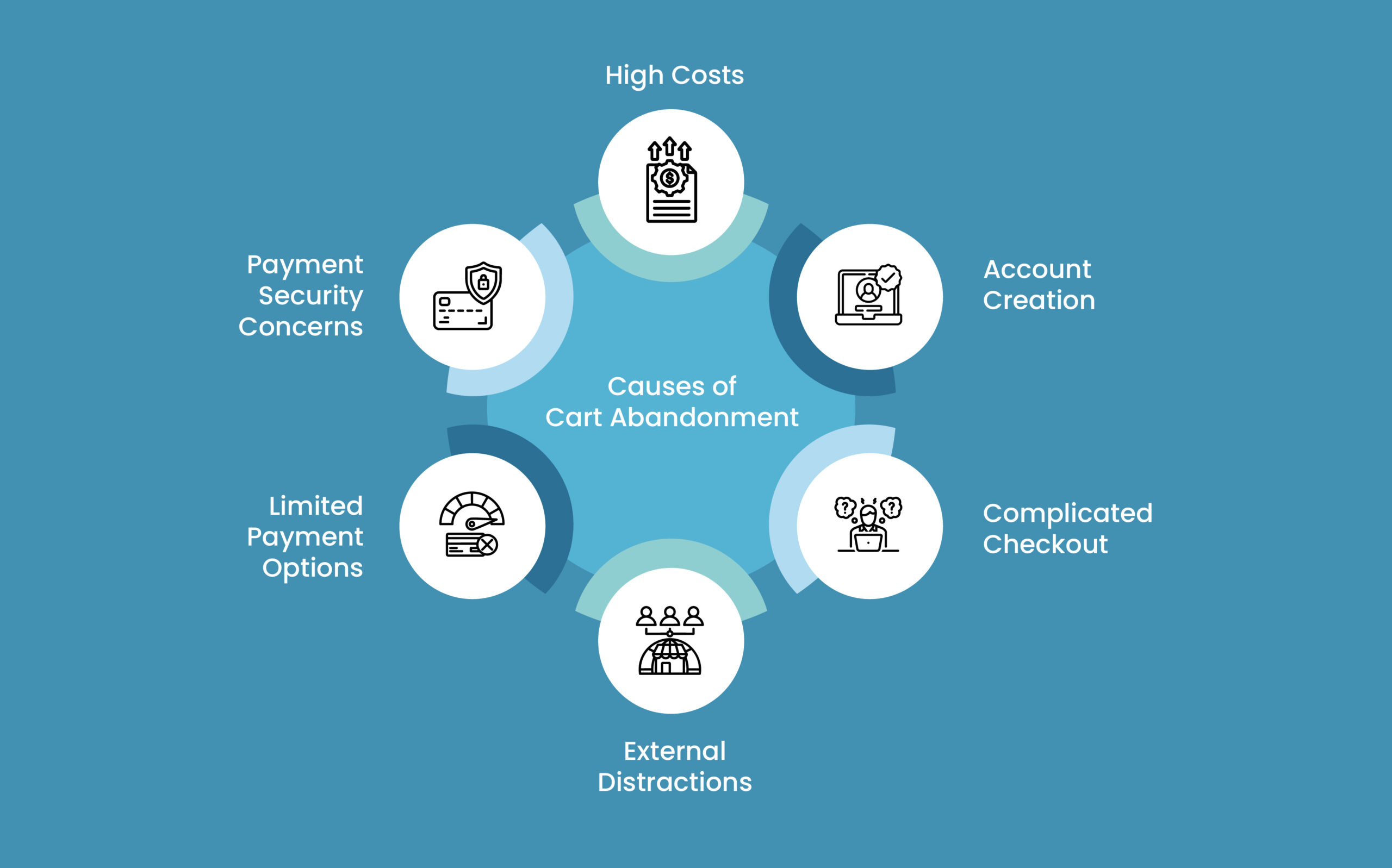
A Real Scenario: What Actually Happens Behind the Screen
Let’s imagine a real situation.
A user lands on your website from an Instagram ad. She’s browsing casually, not really planning to buy anything.
She clicks on a product.
Scrolls through images.
Check the price.
Even read a couple of reviews.
Then she adds it to the cart.
At this point, most brands would consider this a “high-intent customer.”
But then something small happens:
• Maybe she gets a call
• Maybe she wants to compare prices
• Maybe she just gets distracted
And just like that — she leaves.
Now here’s the difference between an average brand and a smart one.
An average brand does nothing.
A smart brand uses e commerce automation to continue the conversation.
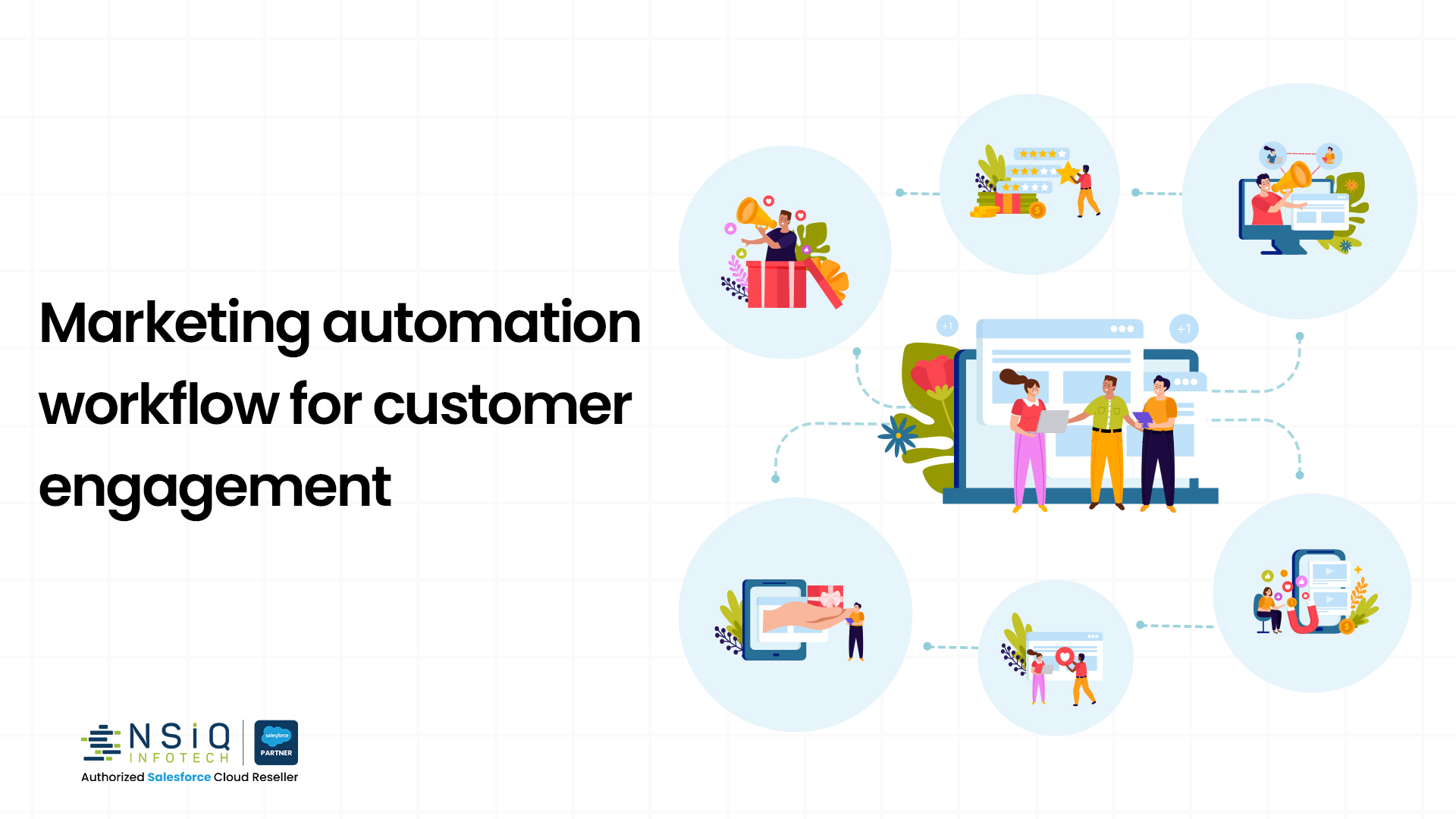
What Smart Brands Do Differently
Instead of treating that user as “lost,” they treat her as “incomplete.”
Using marketing cloud, they trigger a journey:
• After 1 hour → a soft reminder email
• After 24 hours → a message with reviews
• After 48 hours → a subtle incentive
But here’s the key — it doesn’t feel like marketing.
It feels like a continuation of her own journey.
That’s what marketing cloud automation does best.
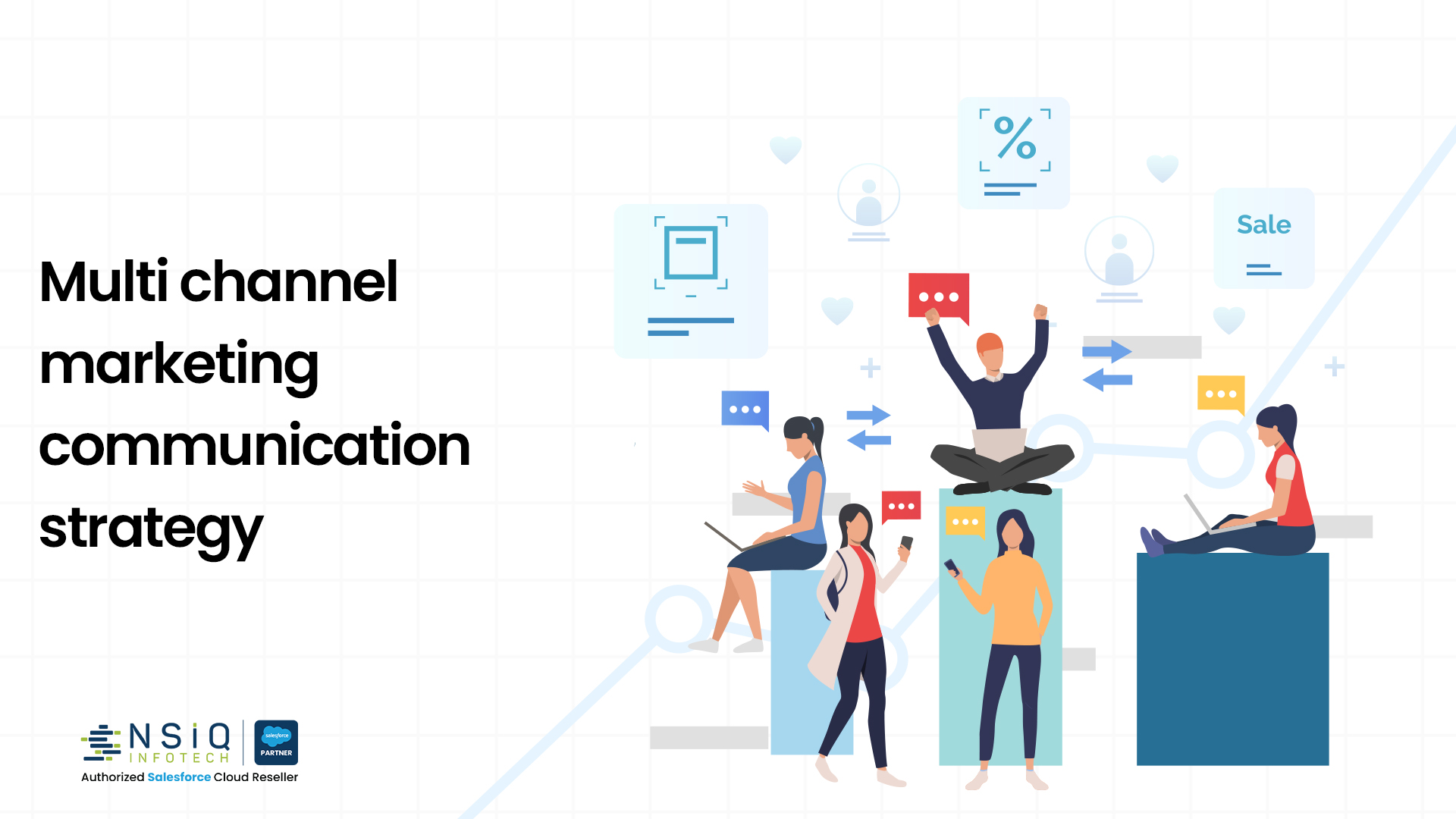
Learning from Real Brands Doing This Right
Amazon – Making Follow-Ups Feel Natural
Amazon is probably the best example of this in action.
Have you ever noticed how it reminds you about products you viewed or added to your cart?
But it never feels aggressive.
It might say:
• “Price dropped on an item you viewed”
• “Back in stock”
• “Only a few left”
This is behavior-based marketing cloud automation at scale.
What makes it work:
• Timing feels right
• Message feels relevant
• No unnecessary pressure
This is exactly how ecommerce automation services are designed to work.
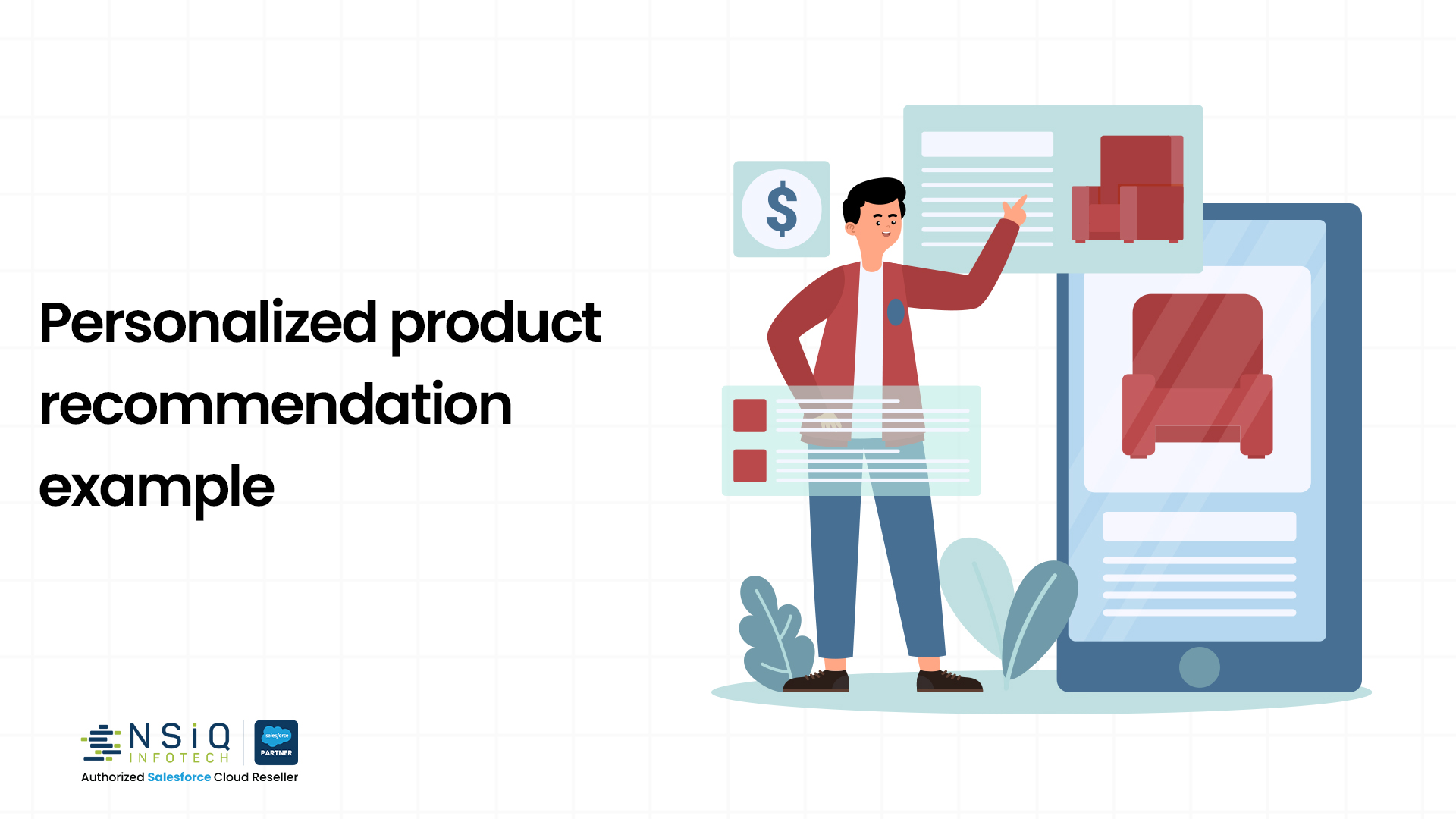
Nike – Turning Browsing Into Inspiration
Nike does something slightly different.
Instead of just reminding you, it tries to inspire you.
Nike might send:
• A curated list of similar shoes
• Styling suggestions
• Athlete endorsements
This shows how a sales marketing cloud builds desire, not just sales.
ASOS – Staying Present Without Being Annoying
ASOS uses multi-channel engagement:
• Email
• Push notification
• App reminder
This is where e commerce automation becomes powerful.
The Psychology Behind Winning Customers Back
People don’t buy immediately:
• They need time
• They want validation
• They are unsure
That’s why marketing cloud automation works — it supports decisions instead of forcing them.
What Actually Works (From Real Experience)
1. The First Message Should Never Be Salesy
“Hey, you left something behind — thought you might want to take another look.”
2. Timing Matters More Than Content
• 1–2 hours → best
• 24 hours → good
• 3 days → low
3. Not Everyone Needs a Discount
Using a sales marketing cloud, you can segment users.
4. Personalization Is Not Optional
This is where ecommerce automation services help scale personalization.
How Multi-Channel Journeys Actually Look
Day 1 → Email
Day 2 → Push
Day 3 → SMS
That’s the power of a marketing cloud.
Common Mistakes
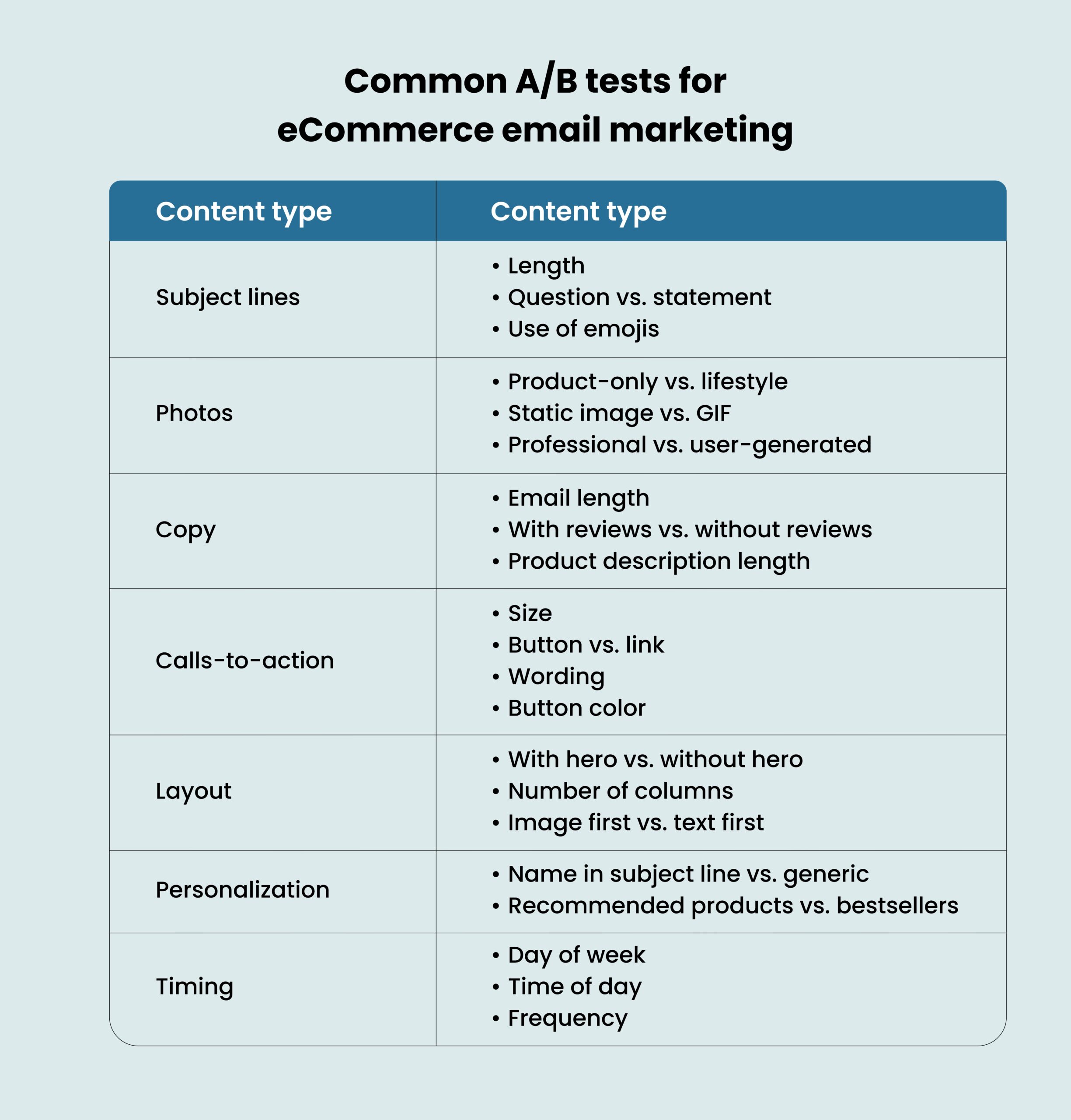
• Too many emails
• Same template for all
• Ignoring mobile
• No testing
Why Salesforce Marketing Cloud Stands Out
salesforce marketing cloud combines:
• Customer data
• Real-time triggers
• Multi-channel communication
Final Thoughts
With marketing cloud, e commerce automation, and marketing cloud automation, brands are no longer guessing.
They’re responding.
1. What is Salesforce Marketing Cloud and how is it used in e-commerce?
Salesforce Marketing Cloud is a digital marketing platform that helps e-commerce businesses automate communication across email, SMS, and push notifications to improve engagement and conversions.
2. How does marketing cloud automation help recover lost customers?
Marketing cloud automation tracks user behavior and sends timely reminders, helping customers return and complete purchases.
3. What is e-commerce automation in simple terms?
E commerce automation means automatically engaging customers based on actions like cart abandonment or browsing history.
4. Are ecommerce automation services only useful for large businesses?
No, ecommerce automation services help both small and large businesses improve conversions and save time.
5. What is the difference between a marketing cloud and a sales marketing cloud?
A marketing cloud focuses on engagement, while a sales marketing cloud aligns marketing with sales data.
6. What is the best strategy to win back lost customers in e-commerce?
Use salesforce marketing cloud, marketing cloud automation, and multi-channel communication with personalization and timing.

A Senior Salesforce Marketing Cloud Developer specializes in designing and implementing advanced, data-driven marketing solutions using tools like Journey Builder, Automation Studio, and AMP script to enhance customer engagement and campaign performance.
related blog